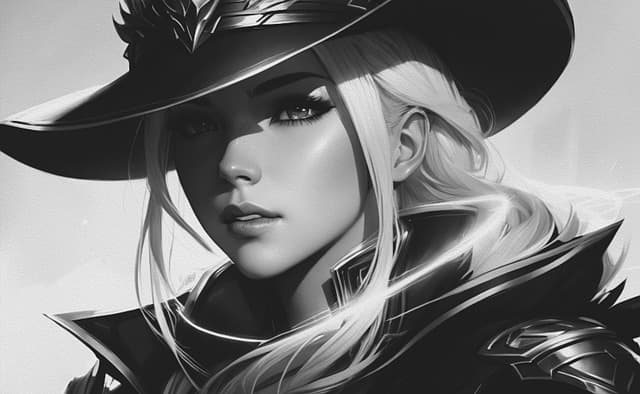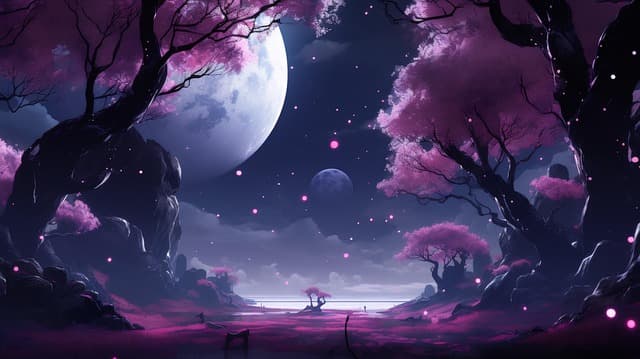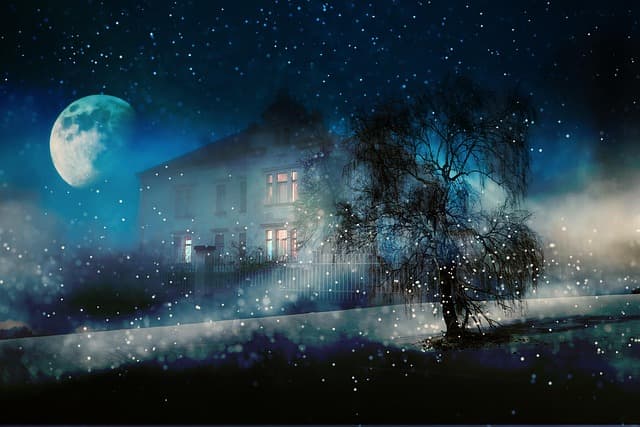
Makoto Shinkai is a Japanese animator and director renowned for his captivating visual worlds filled with light, air, and an atmosphere of quiet melancholy. His works, such as Your Name and Weathering With You, have become the benchmark for contemporary animation aesthetics, where every sky, water reflection and ray of sunlight creates a sense of reality and emotional depth. In 2025, artificial intelligence technology allows for the creation of visual works in the spirit of Shinkai, and many artists use AI to generate anime landscapes, city scenes, and portraits with a similar atmosphere.
Creating AI art in the style of Makoto Shinkai requires an understanding of the key elements of his visual language. The first aspect is light and sky. Shinkai masterfully plays with golden hours, sunsets, and morning sunrises, where the sun’s rays gently scatter through the clouds, creating a play of light and shadow. AI models respond best to descriptions such as ‘warm sunset light,’ ‘golden hour,’ ‘sunlight filtering through clouds,’ and ‘dramatic sky with pastel clouds.’ Such prompts help to achieve realistic sky gradients, subtle transitions, and radiance that are immediately associated with his work.
The second element is colour palette and contrast. In Shinka’s films, the colours are bright but soft; they create a sense of depth and space, yet never appear oversaturated. For AI art, it is important to specify colour characteristics: ‘soft pastel colours’, ‘vibrant but natural tones’, ‘deep blues and warm oranges’, ‘subtle reflections’. The combination of cool and warm shades creates a sense of emotional contrast and dynamism, whether it is an urban landscape or a natural scene.
The third aspect is the details of the environment. Shinkaia’s cities live their own lives: the smallest details, such as reflections in puddles after rain, light from street lamps, leaves swaying in the wind, make the scenes realistic and recognisable. It is useful to include elements such as ‘raindrops on the street,’ ‘reflections in windows,’ ‘swaying trees,’ and ‘power lines against the sky’ in AI prompts. These details create a sense of space and life, even if there are no characters in the scene.
The fourth component is atmosphere and mood. Synkai is able to convey feelings of loneliness, anticipation, or romance through composition and light. For AI art, it is important to specify the emotional tone: ‘melancholic mood,’ ‘dreamy atmosphere,’ ‘quiet and serene,’ ‘nostalgic cityscape.’ Such keywords help the generator create scenes that are not only beautiful but also emotionally rich.
The fifth element is composition and perspective. Shinka’s visual techniques include long paths, roads, bridges, and high or low angle shots, which create a sense of scale and depth. AI art responds to prompts such as ‘wide angle cityscape,’ ‘aerial view of streets,’ ‘low angle looking up at buildings,’ and ‘perspective with leading lines.’ Correct perspective enhances the drama and spectacle of the scene.
To achieve maximum effect, many artists combine AI generation with subsequent post-processing. For example, adjusting gradients, adding glare, enhancing contrasts, or soft blurring help to emphasise the ‘Shinkai-esque’ atmosphere. Using multiple generations and combining them also allows you to preserve details and create more complex scenes that are difficult to achieve in one attempt.
Ultimately, Makoto Shinkai-style AI art is not just about copying the appearance, but about creating an emotionally rich scene where light, colour, detail, and perspective work together to evoke a sense of beauty, nostalgia, and immersion in the viewer. Understanding these key principles and skilfully using text prompts in generative models allows artists to create worlds that could be part of any Shinkai film, even without the involvement of a team of professional animators.