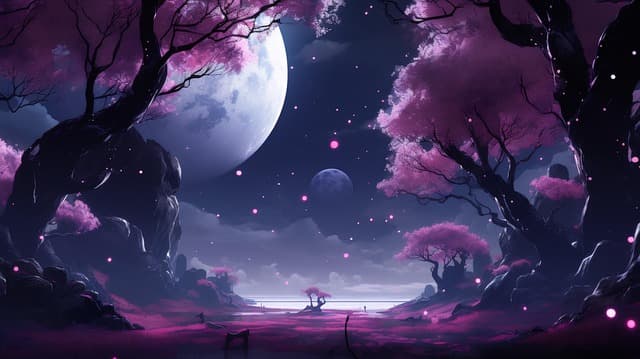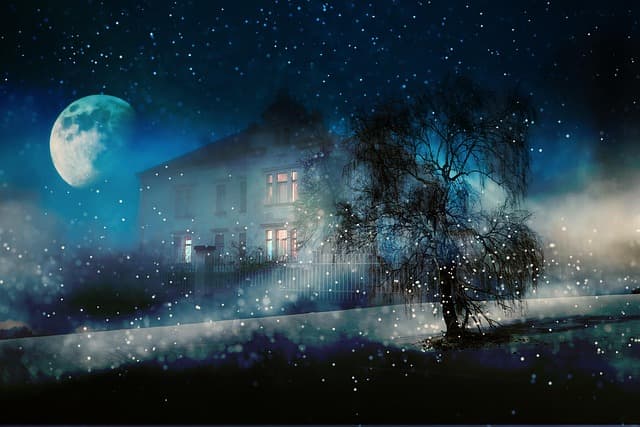
Creating anime portraits using generative artificial intelligence models has become one of the most popular areas of digital creativity. Artists, designers, and fans of Japanese culture use platforms such as Leonardo.ai, Flux 1.1, Midjourney, RunDiffusion, and ChatGPT with visual features to create portraits that are just as expressive as those by professional illustrators. However, the key to successful generation lies not only in the model itself, but also in a well-thought-out prompt — a text description that controls the visual result. The three main components of the perfect anime portrait are light, style, and background.
Light is the basis of a portrait’s emotionality. It determines the mood, depth, accents, and perception of the character. For warm, kind, and romantic scenes, it is better to use soft sunlight, which creates a feeling of comfort. Phrases such as ‘soft daylight, warm sunlight, golden hour glow, pastel atmosphere, gentle shadowing’ add volume and a lively feel to the image. If you need to create a dramatic or mysterious image, descriptions such as ‘moody lighting, cinematic contrast, strong backlight, rim light, dark background’ are suitable. For portraits in the spirit of Studio Ghibli, where the light seems to be painted with watercolours, phrases such as ‘diffused light, watercolour lighting, soft brightness, natural tone, nostalgic feeling’ are ideal. This kind of light adds warmth and character, making the portrait emotionally profound.
The second component is style. It sets the artistic direction and level of detail in the image. In anime portraits, the style can range from minimalist and cartoonish to realistic and cinematic. If you want to convey the aesthetics of Japanese classics, phrases such as ‘Studio Ghibli style, anime illustration, hand-painted texture, soft shading, vibrant colours’ are suitable. For a more modern and fashionable look, use ‘modern anime style, digital art, sharp line art, glossy highlights, detailed eyes.’ If the goal is to obtain an almost photorealistic portrait in the spirit of hybrid AI illustrations, it is worth using descriptions such as ‘realistic anime, semi-realistic portrait, cinematic lighting, ultra-detailed skin texture.’ The style can also be adapted to specific genres: ‘cyberpunk anime portrait,’ ‘fantasy elf anime girl,’ ‘vintage shoujo manga look’ — it all depends on the mood and theme.
The background is the third key element that shapes the atmosphere of the scene. It can be minimalistic to emphasise the character, or detailed to create a whole world around them. For classic anime compositions, prompts such as ‘soft gradient background, pastel sky, light particles, subtle bokeh’ are suitable. If you want to bring a portrait to life and make it look like a scene from a film, use ‘Japanese countryside, blooming garden, cosy room, evening street with lanterns’. These backgrounds give the work a Ghibli feel — a sense of peace and everyday magic. For dynamic images, you can choose ‘urban night city, neon reflections, digital rain, futuristic skyline’. It is important to remember that the background should not distract, but complement the image: the more expressive the character, the softer and simpler the background should be.
To get a truly high-quality result, it is important not just to list these elements, but to combine them harmoniously. For example, the request: ‘Anime portrait of a girl sitting by the window, soft daylight, watercolour lighting, Studio Ghibli style, cosy background with plants and books’ will give a warm, cinematic illustration in the spirit of Hayao Miyazaki. And the prompt: ‘Cyberpunk anime boy, moody blue lighting, realistic anime style, glowing city background, high detail’ will create an atmospheric neon portrait similar to a frame from the anime “Akira” or ‘Ghost in the Shell’.
Modern AI platforms allow you to fine-tune every aspect of an image, from the colour palette and lighting angle to the brush type and texture. Therefore, a high-quality prompt becomes not just an instruction, but a full-fledged script for artificial intelligence. By mastering the art of describing light, style, and background, you can turn generation into true creativity, where each portrait is not a random result but a carefully constructed work of digital art.
Thus, prompts for anime portraits are a tool that combines aesthetics, emotion, and technology. The right words can bring a character to life, convey the atmosphere, and even evoke that very feeling of ‘Ghibli magic’ in the viewer that makes art truly alive.