The online gambling industry is changing the way visual content is made through the creation of anime work by artificial intelligence. This move goes beyond a craze; it alters the ways in which operators craft characters, set the aesthetics of the game, and the ways in which they go about engaging the players. The AI art has allowed platforms to create high quality anime-type graphics at speed and scale, disrupting the economics of game development.
Casino operators worldwide have recognized anime’s massive appeal, particularly among younger demographics. Players at Goldex Casino Canada appreciate how this online casino started anime section at Goldex where Goldex Casino Canadian players can get a bonus after sign in, login or registration. This strategic integration of anime art reflects broader industry recognition that visual style directly impacts player acquisition and retention.
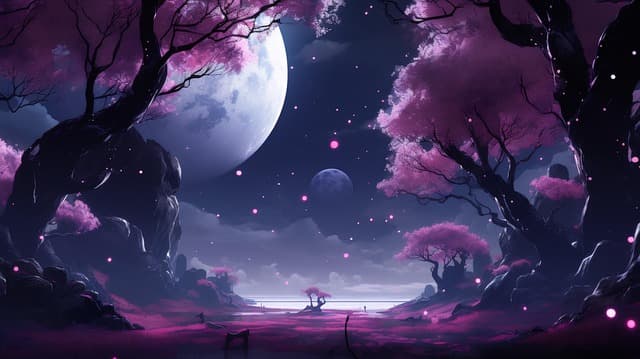
The generation of AI anime has grown fast. Introducing stable Diffusion, Midjourney, and models enabled to create character designs, backgrounds, and promotional art are now capable of competing with traditionally commissioned work. In platforms that house hundreds of titles and keep on updating their content, this provides a strong competitive advantage.
Cost Efficiency and Production Speed
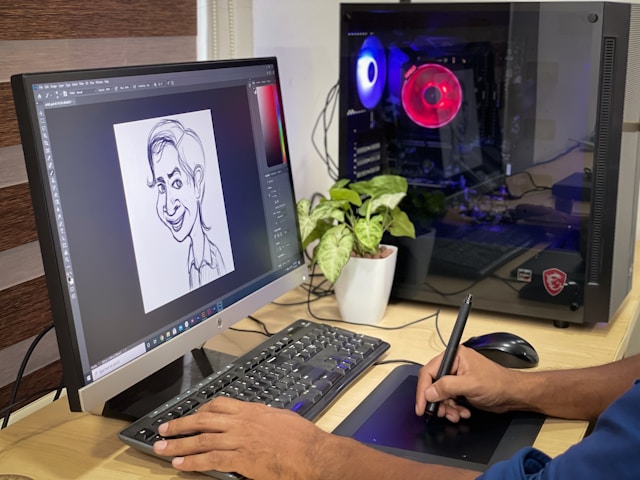
The conventional anime art in casino games involves the employment of professional illustrators. The design of a single character can range from 500-2000 dollars and a complete game package can easily go over $10,000.
According to Bloomberg’s analysis of the $200 billion gaming industry, AI tools have the potential to cut the money, time, and people needed to complete major projects by half, with similar cost efficiencies transforming casino game development.
The costs are reduced significantly by AI generation. Dozens of variants of the character can be manufactured in hours rather than in weeks. This pace enables quick experimentation of the visual styles to understand the aesthetics that have the most appeal to the audiences. The iterative design process, which previously depended on various revisions of artists, is now real-time.
In the cases when AI works with visual content, budgetary allocations change. The finances used in art commissions can be used to finance marketing, or development of game-mechanics, or player bonuses. This change particularly assists smaller operators in the market who allocate much more on art as compared to the industry giants.
Personalization and Player Engagement
The generation of AI anime provides visual customization as never before. Sites are able to generate personalized character avatars specific to each user generating a thousand different designs without human intervention. The players are allowed to modify features, clothes, faces, or poses all of which are created in real-time through AI.
Promotional and seasonal information becomes highly simplified to create. The thematic characters, event illustrations, and limited time campains can be produced in short, without months of preparation. This flexibility allows casinos to react to trends, cultural events or competition.
The technology also encourages dynamic content which evolves with the behavior of the players. Artificial Intelligence is capable of creating winning scenes, character interactions, and theme-driven content within a pattern of the gameplay that would otherwise be costly to create with conventional art.
Accessibility for Smaller Operators
AI makes Japanese anime art more democratized, making the large companies and new actors equal. Such a visual quality that previously demanded big art budgets can now be attained by small studios introducing new platforms. Such availability leads to innovation, and newcomers can experiment with their own aesthetics.
AI generation is helpful to the regional operators that operate in niche markets. They are also able to produce culturally specific versions of anime or character designs localized without the need to employ artists that are conversant with both markets. This technology makes it possible to localize fast without violating local tastes and sensibilities.
The visual aspects of a pitch can now be presented by independent game developers without the significant initial investment in art presentation to the casino platforms. This lowers entry barriers and promotes various voices of creativity in an industry with players of deep pockets.
Visual Appeal and Cultural Trends
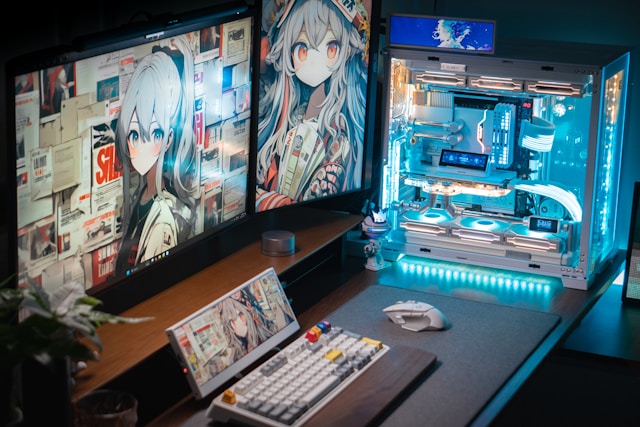
The aesthetics of Anime have become mainstream worldwide despite its Japanese origins and is a universal style of digital entertainment. Bright colors, expressive characters and animated compositions are incredibly effective on casino interfaces, where the rapid attention capture is very essential.
Young gamblers, in particular, millennials and Gen Z, have been exposed to anime through streaming and gaming. To them, the idea of casino games in the anime style is not alien and exotic. Operators capitalizing on this aesthetic exploit already existing emotional attachments and culture.
The visual elements that make anime effective in gaming translate naturally to gambling platforms:
- Expressive character designs that convey emotion and energy
- Bold color palettes that stand out in crowded app marketplaces
- Dynamic compositions that guide player attention to important interface elements
- Stylized simplicity that remains clear on small mobile screens
The graphics strengths of anime are easily transferred into the world of gambling: emotional characters, colorful color schemes, and active compositions. AI generation ensures a steady quality on these factors and allows fast iteration and experimentation of dissimilar styles.
Ethical Considerations and Industry Response
The casino industry’s adoption of AI anime art hasn’t escaped controversy. Many players and industry observers appreciate the visual quality but express concerns about the technology’s broader implications. Player feedback shows Сryptorino casino reviews on the Сryptorino page and Сrypto Rino casino official website illustrating the ongoing debate about AI-generated versus traditional artwork in gambling platforms.
Concerns expressed by traditional anime artists are justified: AI training data can be used on their copyrighted work without asking or compensating them. These ethics have to be handled with care in the industry because allegations of art-theft might damage the reputation of its operators. Other sites use AI companies that only utilize licensed or public domain information.
Another ethical issue is transparency. There are those operators that are quite open about the work generated by AI; others are not. Attribution and disclosure best practices are yet to be developed in commercial gaming products.
There is a controversy in the consistency of quality. Single images can be impressive with the help of AI, however the consistency of style across hundreds of elements of the game requires attention. Critics believe that AI-generated art will lack the purpose-based design philosophy of the traditionally produced game aesthetics.
The Future of AI Anime in Online Gambling
Technology continues to change rapidly. The next-generation models will probably result in more advanced and regular anime art with better style control and artistic direction. By buying AI art infrastructure now, operators can be set to gain as the enhancements become visible.
The introduction of AI systems has new opportunities. Integrating AI graphics with AI-based gameplay, analytics of personalization, and analytics of player behavior would give rise to new types of gambling experiences. On-the-fly picture games, in which characters, settings, and plots are creatively generated to the preferences of every player.
Under adoption will be regulatory factors. In other jurisdictions, AI-generated work might need to be disclosed; other jurisdictions might remain neutral regarding production processes. Proactive operators are observing the turn of events and drawing strategies of compliance.
The competition will be in favor of operators who will know how to work with AI and maintain high aestheticism. It will not be enough to produce anime characters randomly. Effective platforms are built to combine human creativity with AI efficiency, so that speed and cost-saving does not affect the experience of the players.
The day AI anime generation becomes omnipresent, creativity will be the main distinction, as opposed to technology. The most appropriate platforms will not substitute human creativity but expand it with the help of AI, developing unique visual identities that can appeal to the audience without violating ethical standards and artistic values.